




Full text loading...

 and Andrew J. Broadbent1
Avian reovirus (ARV) can be transmitted vertically and horizontally. Pathogenic strains cause arthritis/tenosynovitis (depicted as red hock joints, and splayed legs), and can play a role in malabsorption syndrome in chickens. Contaminated fomites can be a dissemination source in poultry facilities. Figure generated with BioRender.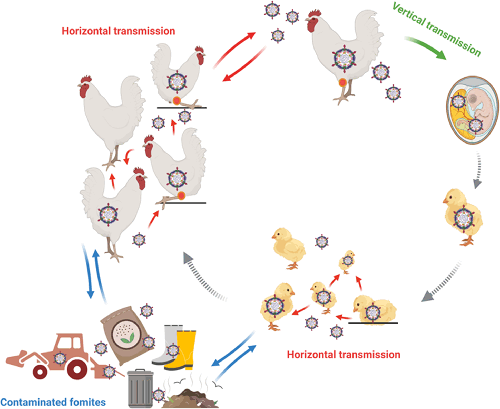
Avian reoviruses (ARVs) have a significant economic impact on the poultry industry, affecting commercial and backyard flocks. Spread feco-orally, or vertically, many do not cause morbidity, but pathogenic strains can contribute to several diseases, including tenosynovitis/arthritis, which is clinically the most significant. The last decade has seen a surge in cases in the US, and due to ongoing evolution, seven genotypic clusters have now been identified. Control efforts include strict biosecurity and vaccination with commercial and autogenous vaccines. Research priorities include improving understanding of pathogenesis and developing new vaccines guided by ongoing molecular and serologic surveillance.
Article metrics loading...
Full text loading...
References
Data & Media loading...