


Collections
Browse our collections – bringing together peer-reviewed content from across the Society’s publishing platform on a range of hot topics and subject areas.
-
-
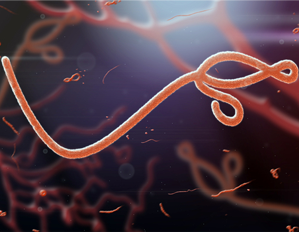
Ebola Virus Disease (EVD)
More Less
Ebola first became headline news in 2014–2016 when it was transmitted throughout West Africa. In 2019, this severe and often fatal disease has once again been declared a public health emergency of international concern (PHEIC) with over 1700 deaths in this latest outbreak. With vaccines now available, this outbreak could be contained, but only with increased production and delivery of vaccines within the Democratic Republic of Congo.
This collection brings together articles from our portfolio of journals on Ebola virus disease. The Microbiology Society has made this content freely available in the interests of widest possible distribution of relevant research.
-
-
-
Environmental Sensing and Cell-Cell Communication
More Less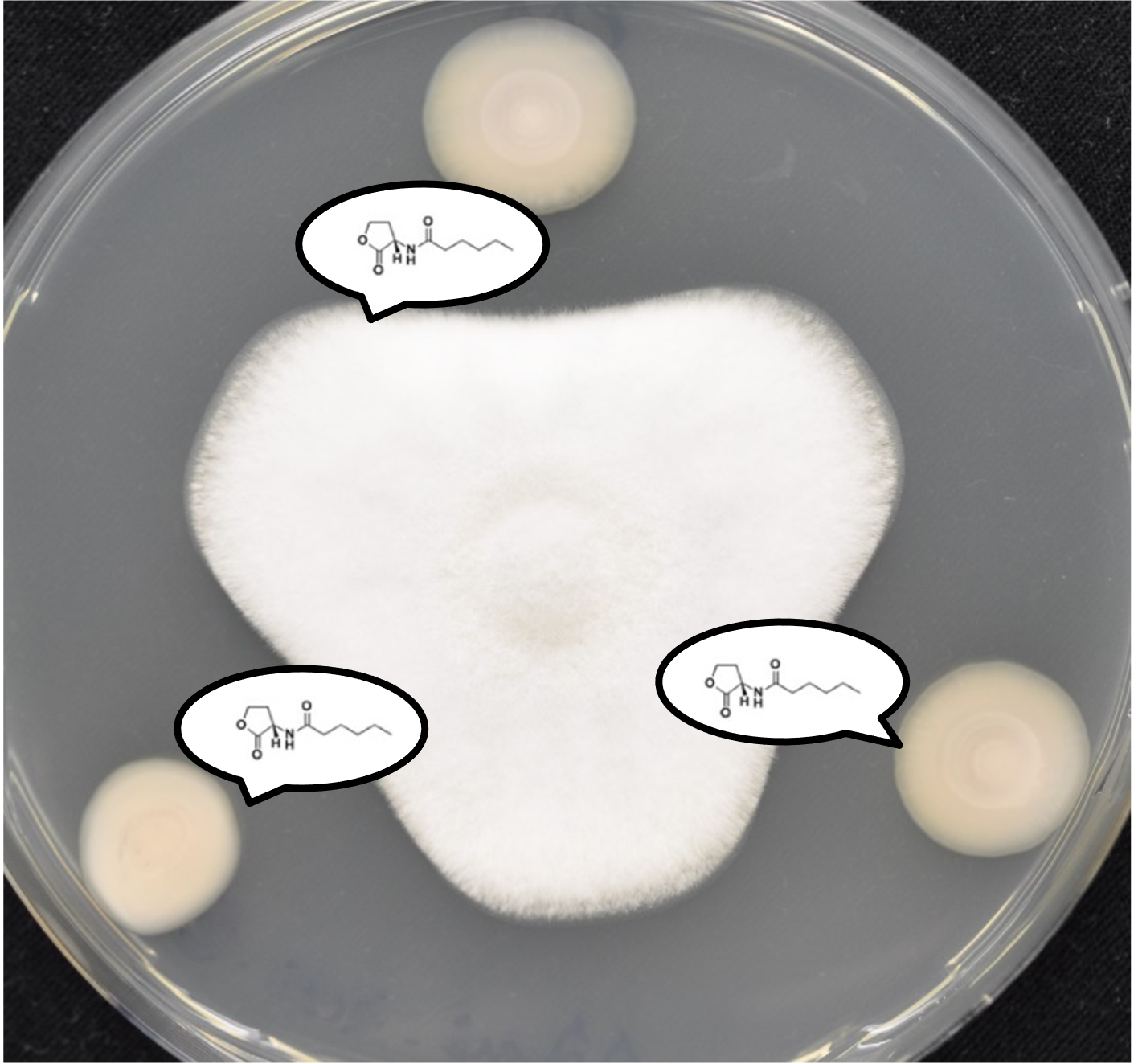
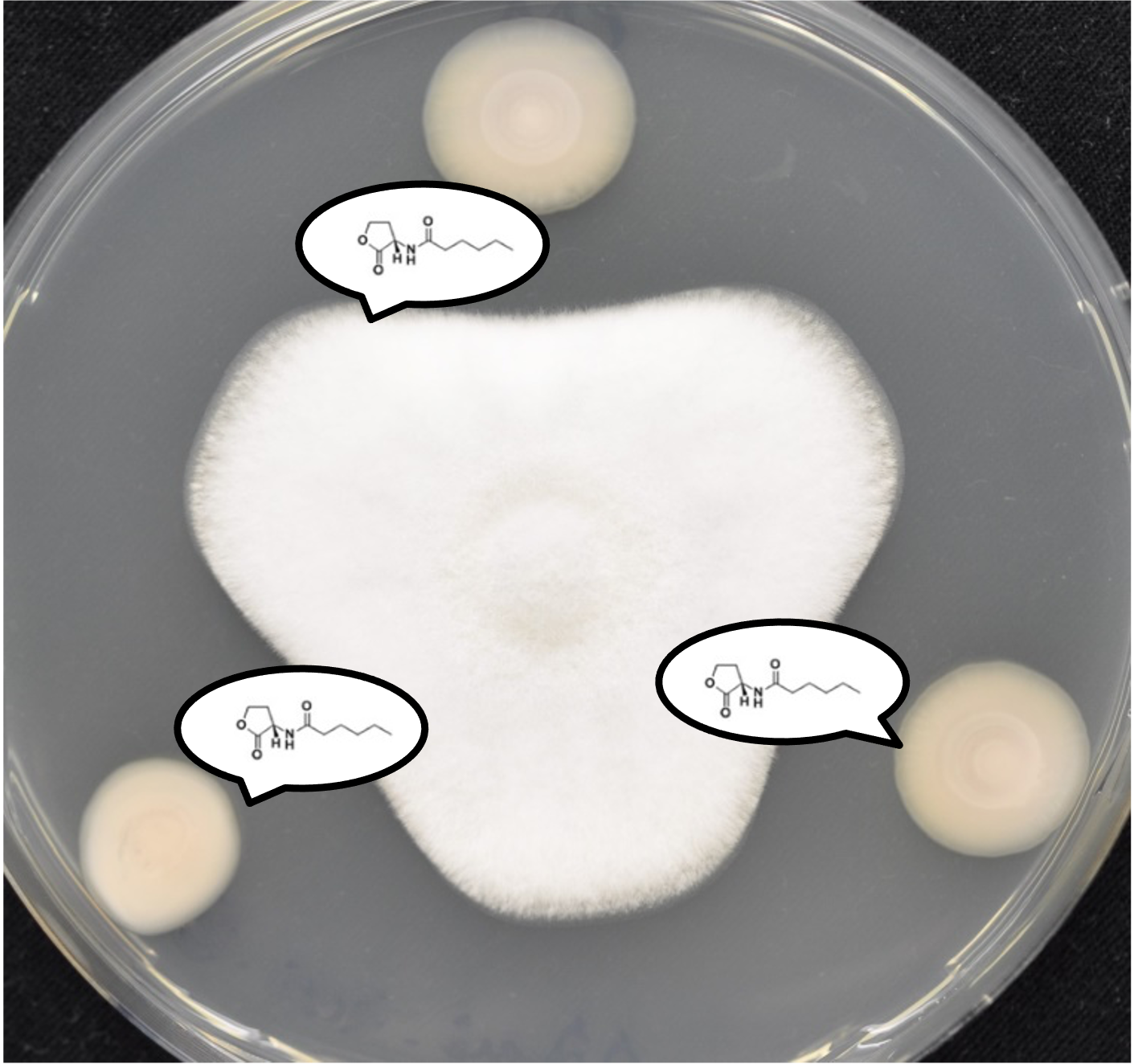
The last two decades have provided a wealth of new insight into how microbes (both prokaryotes and eukaryotes) sense and respond to their surroundings and to one another. Technological advances continue to shape our understanding of this burgeoning field, and this has led to a sea-change in the way in which we view the microbial world. No longer are microbes viewed as being the archetypal single celled entities; instead, community spirit and coordinated responses are the order of the day. In this special anniversary collection for Microbiology, timed to coincide with the Microbiology Society-sponsored Cell-Cell Communication meeting, Guest Editors Martin Welch (University of Cambridge) and Anugraha Mathew (University of Zurich) aim to assemble a landmark collection of papers that celebrate the interaction of microbes with their environment and with one another.
Submissions are particularly welcomed on microbial sensing and signaling pathways, quorum sensing (including both intra- and inter-species interactions and other forms of community-wide behaviors), chemoreception, secondary metabolism, and the complex interplay between different sensory pathways.
-
-
-

Establishing whole genome sequencing at the core of epidemiological surveillance
More Less
Over the last two decades, genome sequencing has become an important tool for understanding and tracking the spread of pathogens. Genomic epidemiology is now a preferred method of surveillance and recent years have seen pathogen sequencing at an unprecedented scale, pushing the underlying technologies to the limit. This has brought major innovations and opportunities to public attention, as well as identifying new research areas. However, major challenges remain in public health settings. These include: incorporating new sequencing technologies and data types for real-time surveillance; developing platforms and nomenclatures for genome-based typing and epidemiology; understanding pathogen evolution and the emergence of virulence and antimicrobial resistance; contextualizing knowledge of clinical microbiology with One Health ecological genomics. In this collection, we bring together recent studies that are establishing pathogen genomics as a major part of contemporary disease control efforts.
-
-
-

Exploring the skin microbiome in health and disease
More LessBeing our biggest organ and a primary protective barrier from pathogens, the microbiome of this highly varied environment is now being described in unprecedented detail, revealing complex multispecies communities that play important roles in skin health, the development of the immune system and in wound healing. This collection aims to bring together knowledge of what these microbes are, how they colonise this often nutrient poor and challenging niche, and how they work together to suppress the growth of pathogens, while in themselves also being potential accidental pathogens if the skin barrier is broken.
This collection will feature new primary research and review articles arising from the “Exploring the skin microbiome in health and disease” symposium held at the Microbiology Society Annual Conference 2024 in Edinburgh, 8-11 April 2024.
The collection is also open for new submissions from all researchers across the skin microbiome field. Please indicate within your submission that it is intended for the collection.
Guest Editors: Georgios Efthimious (University of Hull, UK); Albert Bolhois (University of Bath, UK); Andrew Edwards (Imperial College London, UK)
Status: Open for submissions
Deadline for submissions: 7th October 2024
Journals submission links: Microbiology Editorial Manager
Journal of Medical Microbiology Editorial Manager
Microbial Genomics Editorial Manager
-